From biogas to biomethane: Reliable measurement technology drives stability, safety and quality
Reliable biogas and biomethane production depend on measurement technologies that can handle wet, contaminated gas streams and biologically driven process variability. From anaerobic digestion monitoring in the digester to biogas monitoring in the gas line and upgrading section, instrumentation provides the operational visibility needed to keep the process stable, safe and compliant. Key elements typically include continuous flow, pressure, temperature, pH and level measurement, complemented by gas analyzers for gas composition and quality tracking.
Targeted H2S measurement is especially important to protect downstream equipment, verify purification performance, reduce corrosion and safety risks. In upgrading, consistent biomethane measurement (flow and quality at critical points) supports efficient separation, specification compliance and reliable transfer or injection - turning variable raw biogas into a controlled, verifiable energy product.


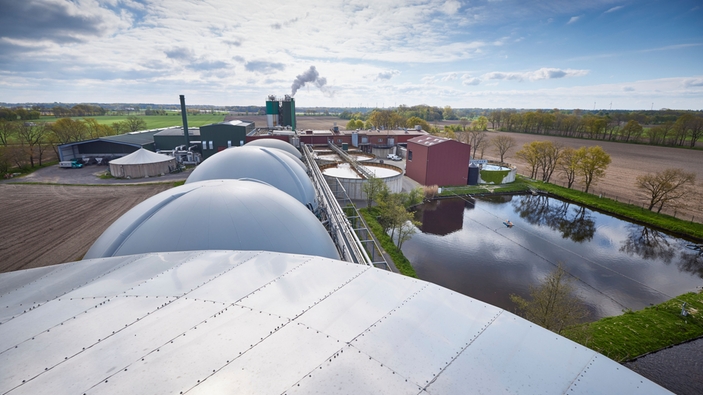
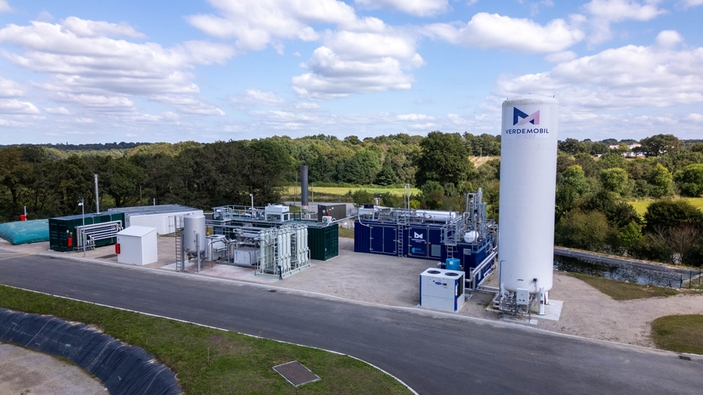
Process overview from digestion gas generation through desulfurization, filtration and upgrading to biomethane injection
Process overview from digestion to biomethane
This process diagram illustrates the typical process flow of a biogas plant, where organic waste is converted into renewable energy. Inside the digester, microorganisms break down biomass in the absence of oxygen, producing raw biogas composed mainly of methane and carbon dioxide. The gas then passes through conditioning and treatment steps to remove impurities like hydrogen sulfide and moisture before being upgraded to biomethane. The purified gas can be used for heat and power generation or injected into the gas grid.
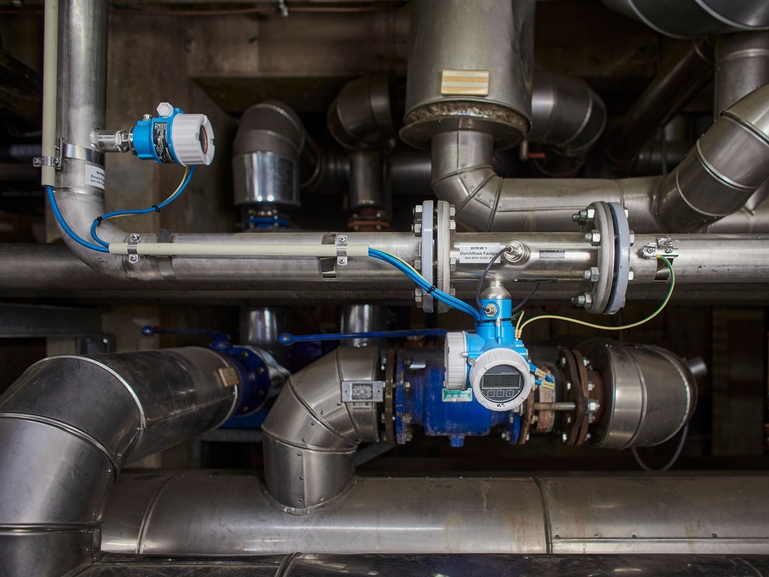
Inline flow measurement in a biogas line handling wet gas streams with accurate, continuous monitoring
Biogas flow and quality measurement at digester outlet
Biogas conditions at the digester outlet are inherently unstable. Fluctuating flow rates, high humidity, entrained foam or condensate and a variable gas composition make accurate measurement difficult. These factors can lead to signal deviations and unreliable data for process control, energy balancing and regulatory reporting.
Continuous, robust measurement of both biogas flow and composition using instrumentation designed for wet, corrosive and variable biogas are mandatory. This provides a single, reliable data basis for safe digester operation, complete production balancing, energy-based efficiency evaluation and controlled, compliant flaring while reducing uncertainty, operational risk and maintenance effort.
- Use Prosonic Flow B 200 for accurate and reliable measurement of wet biogas and digester gas, even under fluctuating process conditions. Unique real-time methane fraction analysis.
- Robust and reliable flow measurement with Prosonic Flow G 300 for a wide range of gas applications, even with wet gas and changing gas properties and compositions. Pressure and Temperature sensors directly integrated for compensations.


Pressure measurement in biogas digester ensuring safety and process stability
Pressure measurement across the biogas treatment chain
In the biogas treatment chain, purification steps such as drying, desulfurization or upgrading are sensitive to contamination, condensate and fouling, which can lead to increasing pressure losses and, in the worst case, partial or complete blockages. Without reliable pressure data, malfunctions often remain unnoticed until gas flow is restricted or upstream processes are affected.
Pressure measurement before and after each purification stage provides a clear indication of the operating condition. Stable differential pressure confirms correct function, while gradual or sudden pressure changes allow early detection of clogging, filter saturation or condensate buildup, enabling timely intervention and ensuring safe, reliable operation of the biogas system.
- Compact pressure transmitter Cerabar PMP21 for an easy and time-saving installation
- Highly accurate pressure measurement using Cerabar PMP51B, transmitter can be remotely controlled

Real-time monitoring of important energy parameter
Energy measurement in waste heat recovery
In waste heat recovery systems of CHP (Combined Heat and Power) processes, accurate energy measurement is challenging because flow rates fluctuate, temperature differences are often small and process conditions can change rapidly with load. Inadequate flow measurement or poorly placed temperature sensors directly impact the reliability of calculated energy values.
A combined approach using reliable flow measurement, precise supply and return temperature sensors and an integrated BTU meter enables continuous and consistent energy calculation. This setup provides transparent insight into recovered thermal energy, allows early detection of efficiency losses and supports reliable performance verification of the waste heat recovery system under real operating conditions.
- Ultraonic flowmeter Prosonic Flow E Heat for an enhanced energy management
- EngyCal RH33 BTU meter ensuring a transparent energy consumption monitoring
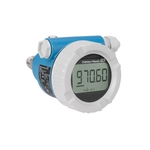
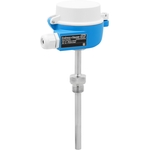
- Moluar temperature transmitter iTHERM ModuLine TM131

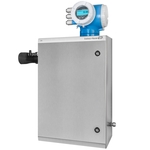
Wall-mounted TDLAS gas analyzer for continuous, high‑selectivity gas concentration monitoring in industrial processes
Biogas upgrading to biomethane
Biogas upgrading to biomethane requires stable and well-controlled process conditions despite fluctuating raw biogas flow, varying methane and CO₂ concentrations, and the presence of impurities such as H₂S, moisture and siloxanes. These variations can negatively impact separation efficiency, product gas quality and plant availability if not detected and controlled early.
A robust solution relies on continuous measurement of key process variables such as flow, temperature and gas composition at critical points in the upgrading chain. Reliable instrumentation enables operators to verify correct operation of upgrading units, maintain biomethane quality within specification, detect disturbances or fouling at an early stage and ensure safe, efficient and compliant operation of the upgrading process.
- TDLAS gas analyzer J22 provides real-time quality monitoring of biogas and biomethane and ensure a reliable custody transfer measurements of gas quality
- TDLAS gas analyzer JT33 offers continuous, real-time H2S measurement


%20with%20flange%20connections%20for%20accurate%20measurement%20of%20natural%20and%20process%20gas%20-%20PP01.jpg "Picture of ultrasonic flowmeter Proline Prosonic Flow G 300 / 9G3B - Highly robust gas specialist")